Yara Lehmann · 2 September 2026
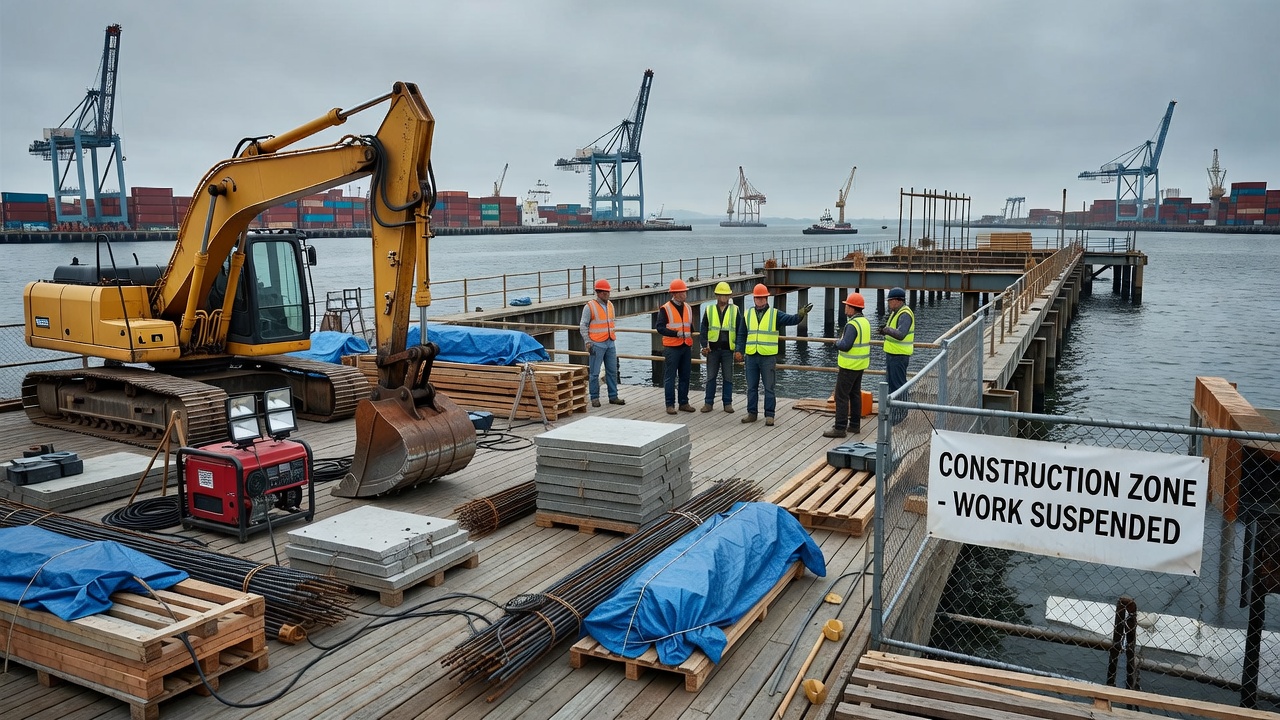
Upgrades to the central harbor pier are facing substantial delays as construction costs continue to climb and dedicated funding streams fall short of revised projections. Initial budgets approved two years ago have proven inadequate, with material and labor expenses rising sharply in the coastal construction sector. Project managers now estimate a shortfall exceeding $4 million, prompting a reevaluation of timelines and scope.
Local port authorities confirmed that bids received last quarter exceeded expectations by 28 percent. Supply chain disruptions and heightened demand for specialized marine-grade components have contributed to the increase. Federal infrastructure grants previously allocated to the project remain frozen pending updated cost analyses from state regulators.
Budget Pressures and Structural Priorities
Engineers have prioritized reinforcement of aging pilings and expansion of the loading platform to accommodate larger vessels. However, the elevated expenses for corrosion-resistant steel and concrete have forced planners to consider phased implementation rather than a single comprehensive overhaul. Community stakeholders worry that partial work could leave critical sections vulnerable during the upcoming storm season.
Fishing cooperatives and tourism operators have voiced concerns that prolonged construction windows will disrupt peak operational periods. Revenue from dock fees and related services supports dozens of local businesses, and any interruption risks cascading economic effects. Officials are exploring supplemental municipal bonds, though voter approval timelines extend into next year.
Seeking Alternative Funding and Revised Schedules
State transportation departments are reviewing applications for emergency coastal resilience funds, which could offset a portion of the overrun if approved within the next quarter. Discussions with private-sector partners for sponsorship of non-structural amenities, such as lighting and signage, are also underway. These measures aim to preserve core safety upgrades while trimming discretionary elements.
Updated projections indicate completion could slip by 14 to 18 months if additional resources are not secured promptly. Regular progress reports will be issued to maintain transparency with residents and commercial users dependent on the facility. Monitoring of material markets continues in hopes that price stabilization may ease future phases of the project.